Emmy Winners Nobody Can Watch Anymore: The Quiet Erasure of Prestige TV
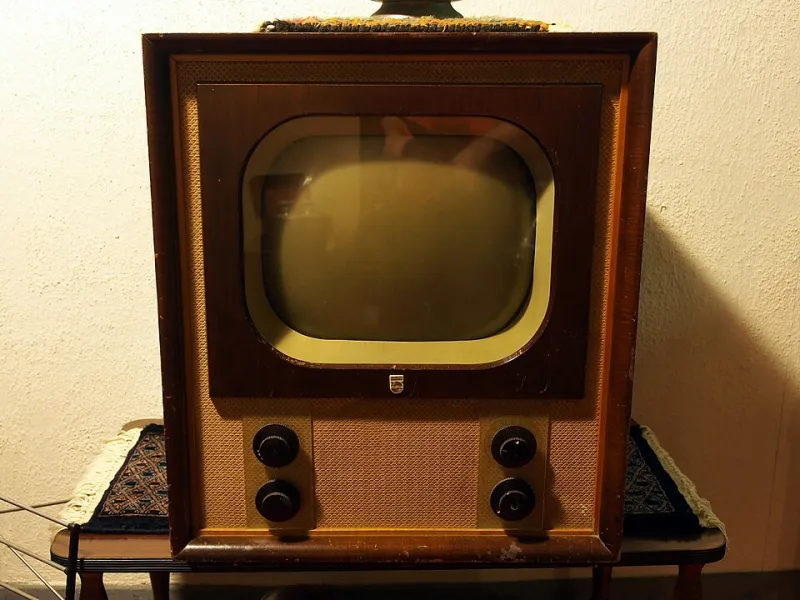
Photo: Alf van Beem, CC0, via Wikimedia Commons
There's a particular kind of frustration that comes from Googling a show you've heard was brilliant — something that swept awards season a few years back, something critics called "essential" — only to find it on exactly zero streaming platforms, unavailable to rent digitally, and out of print on physical media. You're not doing anything wrong. The show has simply... evaporated.
This isn't a niche problem. It's happening with increasing regularity to some of the most celebrated television of the last two decades, and the pipeline is only getting worse. Prestige TV, the very category that was supposed to represent peak artistic ambition in the medium, is quietly becoming one of the least accessible corners of the entertainment landscape.
The Myth of Permanent Prestige
For a long time, the conventional wisdom was that cable and premium network dramas had a kind of institutional permanence that network TV lacked. HBO especially carried this reputation — the idea that their library was a living asset, something the company actively curated and protected. And for a while, that was mostly true.
But the streaming era has scrambled those assumptions in ways that weren't obvious at first. When HBO Max launched and then rebranded into Max, entire swaths of content got quietly deprioritized. Shows that lived on the service got buried under recommendation algorithms that favored new originals. Older titles — even critically beloved ones — got stripped of promotional support and effectively became invisible.
The problem isn't just algorithmic neglect, though. Licensing is the real villain here.
How Licensing Deals Turn Award Winners Into Ghost Content
Here's something the entertainment industry doesn't advertise: a significant portion of prestige television was produced under co-financing arrangements that make long-term rights ownership genuinely complicated. A limited series might have been financed by a premium cable network, co-produced by an independent studio, with international distribution rights sold separately to recoup costs. When that show ends and the original platform moves on, the question of who actually controls streaming rights becomes a legal tangle that nobody has much financial incentive to resolve.
The result is what industry observers sometimes call "orphaned content" — shows that exist in a kind of rights purgatory. They're not valuable enough to justify the legal and financial effort of clearing them for wide distribution, but they're also not forgotten enough for anyone to quietly release them into the public domain. They just sit there, inaccessible.
This affects network television too. Acclaimed limited series that aired on NBC, CBS, or ABC before the streaming wars fully kicked in often ended up with rights split between the original network and a studio that no longer prioritizes them. The network's streaming platform might carry some of their own originals, but older co-productions frequently fall through the cracks.
The Shows That Should Be Easy to Find (But Aren't)
Without naming every title that's fallen into this trap — because honestly, the list is longer than you'd expect — the pattern tends to cluster around a few specific eras and circumstances.
Limited series from the early-to-mid 2010s are particularly vulnerable. That period saw a boom in prestige anthologies and miniseries, many of which won major awards, generated serious critical conversation, and then got stranded when the streaming platform that held their rights either folded, rebranded, or restructured their content libraries. Shows that felt like cultural touchstones at the time now require either a physical media hunt or a willingness to venture into legally gray territory to watch.
Similarly, HBO dramas from the pre-streaming era — shows that aired before the company had any reason to think about digital preservation infrastructure — exist in a weird liminal space. Some are on Max. Others are technically available on physical media but have never been made available for digital purchase or rental. A viewer without a Blu-ray player and a willingness to track down out-of-print discs is simply out of luck.
What This Means for TV History
Television has always had a preservation problem that film doesn't quite share. Early TV was famously ephemeral — broadcast once, sometimes twice, and then gone. The medium matured and physical media changed that calculus, but the streaming era has introduced a new version of the old problem.
When a film disappears from circulation, there are institutions — the Library of Congress, the Academy Film Archive, various film preservation nonprofits — that treat that as a cultural emergency worth addressing. Television has no equivalent infrastructure with real teeth. The Television Academy doesn't run a preservation program with meaningful funding. Streaming companies have no legal obligation to maintain access to content they've licensed or produced. And the economics of TV mean that even beloved, award-winning shows represent relatively modest financial assets compared to blockbuster film franchises.
The uncomfortable reality is that we're probably already past the point where some prestige television from the 2000s and 2010s is effectively lost to most viewers. Not destroyed — the masters presumably exist somewhere — but practically inaccessible in any way that matters for a general audience.
The Irony of Peak TV's Legacy
We spent years being told we were living through a golden age. Critics wrote earnestly about television as the dominant artistic medium of our era. "Peak TV" became a genuine cultural concept, and the prestige drama became its flagship artifact.
But golden ages are only meaningful if the work survives them. A show that wins five Emmys and then becomes legally unwatchable within a decade isn't a monument to artistic achievement — it's a cautionary tale about an industry that never built the infrastructure to match its own ambitions.
The streaming platforms that were supposed to make everything available forever have, in many cases, made access worse than the DVD era. At least with physical media, once you bought a disc, nobody could take it away from you. Now content can vanish from a platform overnight, rental options disappear when licensing deals expire, and the notion of ownership has been quietly replaced with the notion of temporary access.
What You Can Actually Do
If you're trying to track down a prestige drama that's gone dark, your best options are depressingly analog. Check your local library system — many still maintain DVD collections that include older television series, and interlibrary loan can surface discs from across a state system. Physical media resellers like eBay and Discogs often have out-of-print sets at reasonable prices if you're patient.
For shows that are available digitally somewhere, services like JustWatch aggregate legal streaming and rental options across platforms, which at least saves you the platform-by-platform search. And it's worth checking whether your cable or satellite provider includes any legacy content through their on-demand libraries — some do, quietly.
None of this is a solution. It's triage. The real fix requires the entertainment industry to take preservation seriously, which means treating older content as a cultural obligation rather than a depreciating asset. Don't hold your breath — but do keep asking where your favorite shows went. The more people notice the problem, the harder it becomes to pretend it isn't one.