The Wrong Pitch: When a Great Movie Gets Sold as Something It Isn't
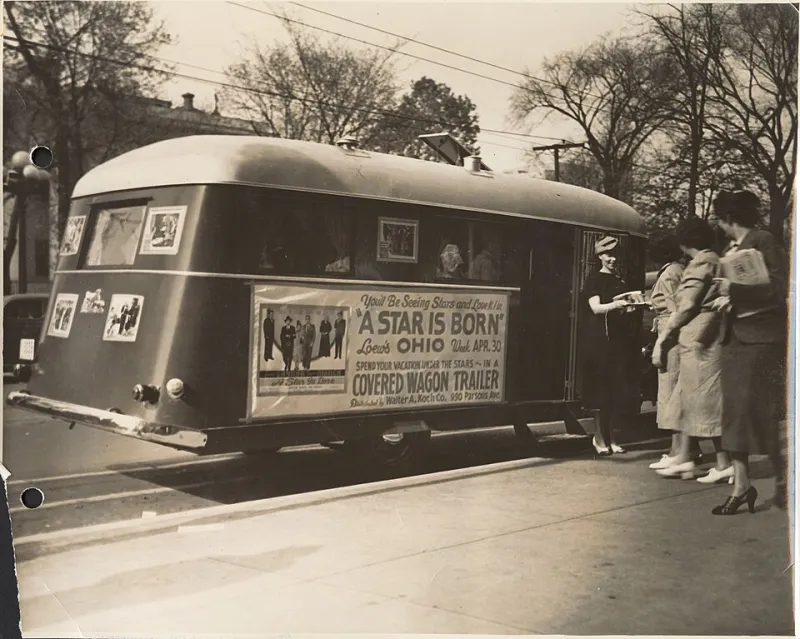
Photo: Unknown, No restrictions, via Wikimedia Commons
Marketing is the first review most people read. Before a viewer sees a frame of the actual film, they have already been told what it is, who it is for, and how it should make them feel. When that pitch is accurate, nobody notices the machinery. When it is wrong, the audience walks into the theater expecting one movie and gets another. That is not a small disappointment. It is a broken contract, and Hollywood keeps signing it.
The Trailer Is a Contract
A trailer is not just a preview. It is a promise about genre, pace, tone, and payoff. Sell a slow-burn character study as a jump-scare horror movie and the audience will spend the whole runtime waiting for a monster that never arrives. Sell a bleak neo-noir as a car-chase action film and people will check their watches during the quiet parts. The movie may be excellent. The campaign has already rigged the response.
Drive is the classic example. The 2011 Nicolas Winding Refn film was marketed with fast cars, a stoic Ryan Gosling, and the suggestion of mainstream action. What audiences got was a Euro-flavored crime noir with long silences, sudden violence, and an electronic score. A Michigan woman even sued over the mismatch, arguing the trailer had promised a different kind of film. The lawsuit did not go far, but the point stuck: the campaign had sold speed and delivered mood. Drive has since been reclaimed as a cult favorite, but its opening weekend was shaped by people who felt tricked.
Jennifer's Body ran into a different version of the same problem. The 2009 film was sold as a sexy Megan Fox horror vehicle for teenage boys. The actual movie, written by Diablo Cody and directed by Karyn Kusama, is a sharp, funny, angry story about female friendship, possession, and the violence of being looked at. The campaign flattened it into a bikini-and-blood pitch. Critics were mixed, audiences were confused, and the film underperformed. Years later, it found the audience it deserved, but only after the original marketing had done its damage.
Genre Bait and the CinemaScore Trap
Mismarketing does not just hurt the opening weekend. It poisons the data that streaming services and studios use to decide what a movie is worth. A film that opens to a bad CinemaScore because it was sold as something it is not will be labeled a failure. That label follows it to streaming, where the algorithm files it under the wrong genre, recommends it to the wrong viewers, and buries it under titles that match their expectations.
It Comes at Night is a useful case. A24 marketed Trey Edward Shults's 2017 film as a horror movie, with dark hallways, a dog, and a looming threat. The actual film is a tense chamber drama about grief, paranoia, and the collapse of trust. Audiences expecting The Conjuring got something closer to a stage play with nightmares. The CinemaScore was brutal. The film was not a failure of craft; it was a failure of framing. The people who found it later, on streaming or through word of mouth, often discovered a movie they liked. They just had to get past the trailer's false promise.
Annihilation had a similar problem. Alex Garland's 2018 film was sold as a sci-fi action spectacle, with soldiers, guns, and a shimmering alien zone. The actual movie is cerebral, eerie, and deeply melancholy. Paramount reportedly grew nervous about the film's commercial prospects and sold international rights to Netflix. In the US, it still had a theatrical release, but the campaign leaned on the wrong kind of excitement. The people who wanted an action movie were disappointed. The people who would have loved a philosophical horror film were not sure that was what they were being offered.
The Campaign That Won't Admit What It Has
Some of the worst mismarketing comes from a simple refusal to admit what a movie actually is. The Assassination of Jesse James by the Coward Robert Ford is a long, elegiac Western about fame, obsession, and performance. The 2007 film was marketed with gunfights and outlaw imagery, as if it were a conventional Western. It was not. It was a slow, literary character study with one of the best casts of its era. The box office was disappointing, and the film's reputation has grown slowly ever since.
Speed Racer had the opposite problem. The Wachowskis made a hyper-stylized, candy-colored family film with real emotional stakes and some of the most inventive action sequences of the 2000s. The campaign sold it as a generic kids' racing movie. Parents were not sure it was for them. Kids were not sure it was for them. The film flopped. Today, it has a passionate cult following and a growing reputation as a misunderstood experiment. The marketing did not lie exactly; it just refused to explain the movie's strange, specific pleasures.
This is the quiet tragedy of mismarketing. It does not always come from cynicism. Sometimes it comes from fear. A studio has an unusual movie, and instead of selling the unusual thing, it tries to disguise it as something familiar. The disguise rarely works. Audiences can smell a mismatch. Critics can see it. The algorithm records the disappointment and moves on.
Word of Mouth Is a Slow Rescue
Bad data is hard to undo.
The good news is that word of mouth has become a longer game. Letterboxd, Reddit, boutique Blu-ray labels, repertory screenings, and niche podcasts can keep a movie alive after its campaign has failed. Jennifer's Body was revived by a generation of viewers who understood what the original marketing missed. Drive became a reference point for a certain kind of stylish crime film. Annihilation found its people on streaming, where the film's weirdness was finally allowed to be the selling point. Speed Racer has spent years being rediscovered by viewers who cannot believe the same studio that made the campaign made the movie.
But rescue is not the same as release. A movie should not need a decade of online advocacy to recover from a trailer that lied. The industry knows how to market difficult films. It knows how to sell tone, mood, and personality. It just often chooses the safer lie instead. In 2026, with theatrical windows shrinking and streaming menus getting more crowded, the cost of that lie is higher than ever. A mismarketed movie does not just lose an opening weekend. It loses the chance to be seen at all.
Sell the Movie You Made
The lesson is not complicated. Sell the movie you made, not the movie you wish you had made. If it is slow, sell the slowness. If it is strange, sell the strangeness. If it is a chamber drama with a horror poster, say so. Audiences are more adventurous than the marketing departments seem to believe. They will follow a clear promise even if it is unusual. What they will not forgive is being told they are getting one thing and handed another.
Great movies get buried for many reasons: bad luck, bad timing, bad distribution. Mismarketing is one of the few reasons that is entirely self-inflicted. The trailer is not a trick. It is an introduction. When it lies, the audience does not just blame the movie. They stop trusting the next introduction too. That is a cost the industry keeps paying, one wrong pitch at a time.