Prestige Audio Is Thriving and Nobody's Talking About It
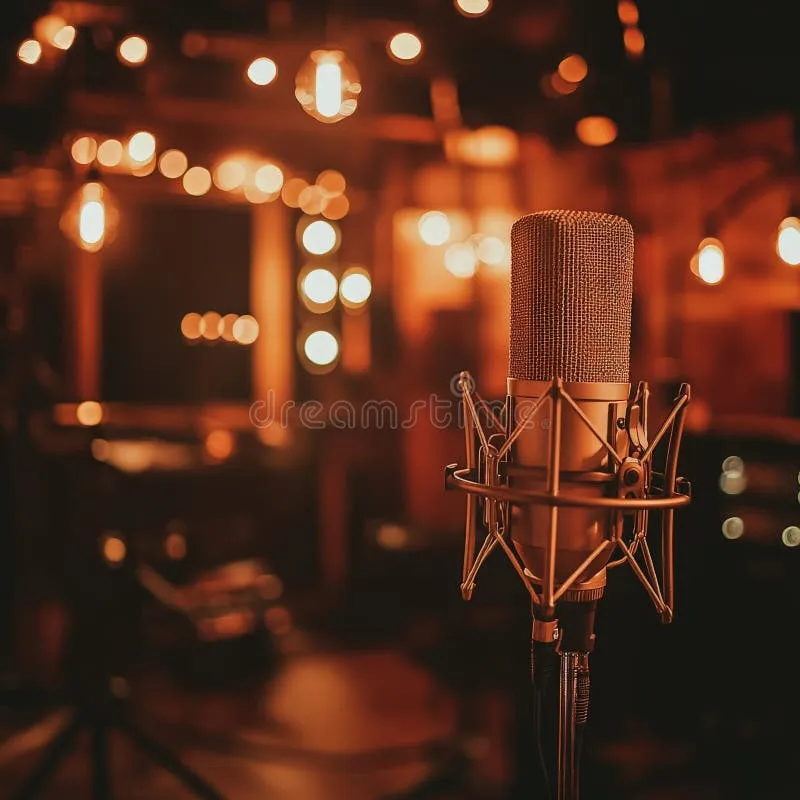
Photo: vintage microphone podcast recording studio moody lighting, via thumbs.dreamstime.com
Here's a question worth sitting with: if an HBO-quality drama aired and nobody watched it, would it even exist? That's essentially what's happening in the world of narrative podcasts right now. Fully realized audio dramas — with A-list casts, cinematic sound design, and budgets that would make some indie filmmakers weep — are being produced, critically praised, and then promptly swallowed by an algorithmic void that most casual listeners never even think to look into.
We talk endlessly about the streaming wars. We write thinkpieces about which shows got canceled too soon, which films got buried by their distributors, which foreign-language series got snubbed at awards season. But the conversation almost never makes room for what's happening in audio. And that's a genuine cultural miss.
The Discovery Problem Nobody Wants to Fix
Spotify, Apple Podcasts, Amazon Music — they all host narrative podcasts, and they all do a pretty terrible job of surfacing them to people who might actually love them. The recommendation architecture built around talk podcasts, true crime, and news briefings doesn't translate well to serialized fiction. If you don't already know you're looking for an audio drama, you're probably not going to stumble onto one.
Compare that to how Netflix or HBO Max surfaces a prestige limited series. There are trailers. There's social media buzz engineered by marketing departments. Critics embed clips. People share screenshots of dialogue. Audio drama has almost none of those hooks. You can't screengrab a sound. You can't post a thirty-second clip that communicates the full emotional weight of a scene built on voice acting and layered ambient sound. The format is inherently resistant to the kind of viral shorthand that drives mainstream attention in 2024.
The result is a weird parallel universe where genuinely excellent storytelling exists in near-total obscurity, appreciated deeply by a small, devoted audience and completely invisible to everyone else.
The Industry Wall Between Audio and Visual
There's also a gatekeeping problem that doesn't get discussed enough. Film and television criticism has robust institutional infrastructure — awards bodies, trade publications, festival circuits, prestige review outlets. Audio fiction has... some of that, but nowhere near the same cultural weight. The Ambies (the podcast industry's answer to the Grammys) don't generate the same headlines as the Emmys. A rave in The Atlantic about a narrative podcast rarely triggers the same cultural cascade as a rave about a new HBO show.
Part of this is snobbery, honestly. There's a residual cultural assumption that audio is a lesser medium — that if something were truly great, it would have been made into a TV show or a film. That logic is completely backwards, and it's worth pushing back on hard. Some stories work because they're audio. The intimacy, the way sound design can place you inside a character's perception, the way a voice performance can do things a camera simply can't — these aren't limitations, they're tools. Powerful ones.
The Shows That Deserve the Conversation
So let's actually name some names, because that's the whole point.
Limetown (Two-Up Productions) is probably the most obvious entry point for anyone who's ever loved a tightly plotted mystery thriller. Structured as a journalist's investigation into the disappearance of an entire research community, it plays like a prestige cable drama in audio form. The writing is sharp, the performances are committed, and the world-building is genuinely eerie. It even got a Facebook Watch TV adaptation — which most people also didn't see, but that's a different article.
The White Vault runs on pure atmospheric dread. A horror serial set in an Arctic research station, it uses sound design as its primary storytelling instrument in a way that most visual horror films would kill to replicate. It's the kind of show that makes you want to listen with the lights on.
Steal the Stars (Tor Labs) is sci-fi noir with a corporate thriller spine — think Dark meets The X-Files by way of Chinatown. It's a complete, self-contained story with a beginning, middle, and end, which is rarer in podcast fiction than it should be. The cast is strong, the pacing is tight, and it respects the audience's intelligence throughout.
Homecoming — yes, before it became a Julia Roberts vehicle on Amazon — was a landmark piece of audio fiction from Gimlet Media. The original podcast is still worth going back to, and in some ways surpasses the adaptation. The sound design is meticulous, the performances from Oscar Isaac and Catherine Keener are extraordinary, and the way the story uses audio format as a narrative device is genuinely clever.
Wolf 359 is a long-form space opera that started as a scrappy indie production and evolved into one of the most emotionally ambitious serialized stories in any medium over its four-year run. It built a devoted fandom almost entirely through word of mouth and deserves to be mentioned in the same breath as the best genre television of the last decade.
The Black Tapes tapped into the same cultural moment as Serial and S-Town but applied it to paranormal horror fiction. It's atmospheric, genuinely unsettling, and demonstrates how well the investigative podcast format adapts to fictional storytelling.
Passenger List (Radiotopia) brings Hollywood-grade production values and a genuinely gripping transatlantic mystery to audio. It stars Kelly Marie Tran — a recognizable name from the Star Wars sequel trilogy — and yet somehow exists in almost complete mainstream obscurity. If this were a Netflix limited series, it would have been inescapable for at least a month.
Why This Matters Beyond the Medium
The bigger issue here isn't really about podcasts specifically. It's about how we've built a media culture that's almost completely dependent on visual platforms for legitimacy. If it doesn't have a trailer, it doesn't exist. If it doesn't have a thumbnail, it can't go viral. If it can't be clipped and shared on TikTok, it struggles to build an audience beyond early adopters.
That's a genuine loss. Some of the most innovative storytelling happening right now is happening in audio, precisely because the format hasn't been fully colonized by the same commercial pressures that shape film and television. There's creative freedom in a medium that the algorithm hasn't quite figured out how to monetize yet. That window won't stay open forever.
So consider this a nudge. Next time you're looking for something to watch and nothing in your streaming queue feels right, try listening instead. The prestige era of audio drama is already here. You're just going to have to find it yourself.